Why a Cozy Pizza Restaurant Creates the Best Dining Experience
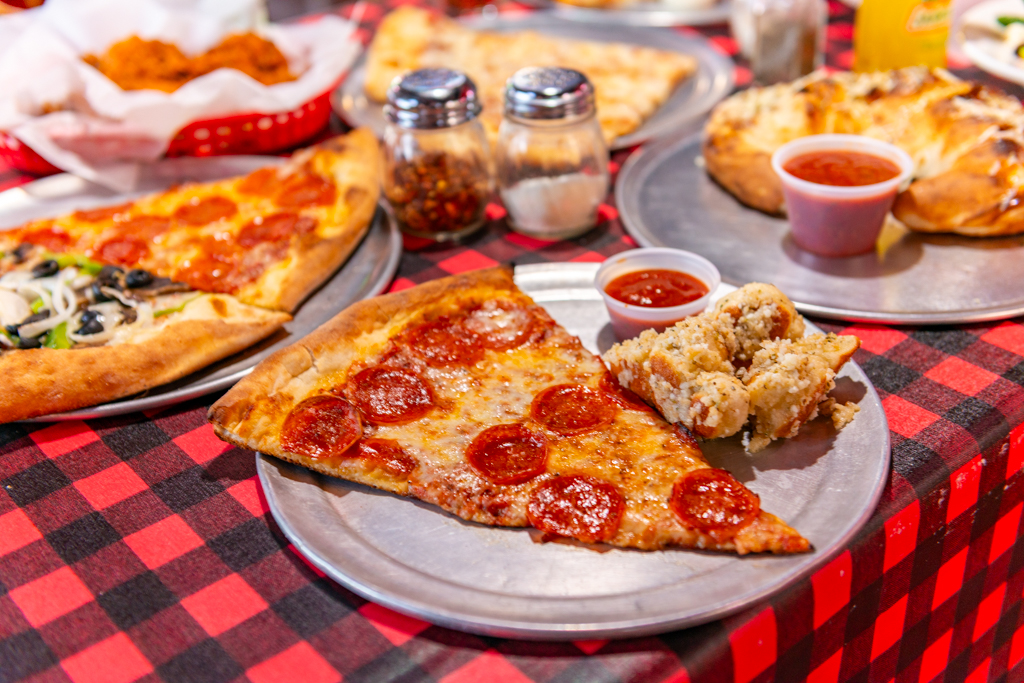
The best meals rarely depend on food alone. People remember the room, the lighting, the noise level, the smell that meets them at the door, and the way a server times a simple refill without interrupting a conversation. A truly memorable pizza restaurant understands that dinner is not just a transaction. It is atmosphere, rhythm, and comfort working together.
That is why cozy pizza places tend to outperform larger, flashier dining rooms when it comes to satisfaction. They create a setting that lowers people’s guard. Guests settle in more quickly, talk longer, and notice more of what is on the table. The meal feels generous before the first slice even lands.
Anyone who has spent time in hospitality sees the pattern. A technically excellent kitchen can still struggle if the room feels cold, loud, or impersonal. Meanwhile, a neighborhood pizza restaurant with warm lighting, a seasoned brick oven, and a staff that recognizes regulars can build fierce loyalty. The food matters enormously, of course, but comfort shapes how people receive it.
Comfort changes how people eat
A cozy room affects appetite in ways that are easy to overlook. When guests feel physically at ease, they tend to order with more confidence and enjoy the pacing of a meal. They are more open to sharing a starter, trying a house specialty, or lingering over another drink. In a stark or chaotic space, people often make fast, defensive choices. They eat, pay, and leave.
Pizza is particularly suited to comfort-driven dining because it is naturally communal. Even a table of two often shares a pie, samples each other’s slices, and comments on the crust. The food invites conversation. A cozy environment supports that behavior instead of rushing it. The room gives people permission to be present.
This is one reason pizza restaurants often succeed across such a wide range of occasions. A family dinner, a first date, a casual work gathering, and a weekend meal with old friends can all fit under the same roof, if the atmosphere is right. The best operators understand that the room has to absorb these different energies without feeling generic.
Warmth begins before the host stand
Guests start forming opinions before they sit down. The exterior matters. So does the transition from the street to the dining room. A welcoming pizza restaurant usually gets the threshold right. There may be a soft glow through the windows, a chalkboard with the day’s special, or the unmistakable scent of dough and tomato sauce near the entrance. None of these details are expensive, but each one signals care.
Inside, warmth comes from proportion as much as decor. Oversized dining rooms are difficult to make feel intimate unless they are carefully zoned. Smaller spaces often have an advantage because the room naturally contains sound and visual attention. Tables feel connected, but not crowded. Guests can sense activity without feeling lost in it.
Materials matter too. Wood, brick, tile, and fabric absorb and reflect energy differently. A room with too many hard surfaces can become punishing once it fills up. The same cheerful music that sounds lively at 6:00 can become an exhausting wall of noise by 7:30 if the acoustics are poor. In contrast, a cozy room often sounds softer even when it is busy. People lean in rather than raise their voices.
That sensory balance is one of the least appreciated skills in restaurant design. It takes restraint. Brighter is not always better. Louder is not always livelier. Bigger is not always more successful.
The oven becomes part of the experience
Few restaurant features communicate comfort as clearly as a visible pizza oven. It is practical theater. Guests can see flame, movement, and timing. They understand, without needing an explanation, that the food is being made in real time by people with specific skills.
The oven also creates a subtle emotional anchor. Fire suggests warmth, craft, and steadiness. Even when diners are seated across the room, they feel the presence of production. A pizza restaurant with an open kitchen often benefits from this immediately. Guests become more patient because the work is visible. They are not waiting in abstraction. They are watching dinner take shape.
There is a real operational benefit here as well. Transparency builds trust. If flour dust is in the air, dough is stretching by hand, and pies are turning in the oven with practiced speed, people read those signals as authenticity. That word is overused, but in hospitality it still means something concrete. It means the experience matches the promise.
Of course, visibility only helps if execution is solid. An open kitchen exposes weakness as quickly as strength. Disorganization, poor communication, or careless plating is harder to hide. A cozy pizza restaurant succeeds not because it performs coziness, but because the comfort in the room is backed by competence.
Great pizza is shareable, and cozy spaces honor that
Some foods are deeply individual. Pizza is not. It is one of the few restaurant dishes that genuinely improves the social energy of a table. A pie lands in the center, hands reach in, opinions surface instantly, and the meal becomes collective. One person likes char on the crust. Another notices the fennel in the sausage. Someone else orders another round because the mushroom pie disappeared faster than expected.
A cozy environment supports these micro-moments. Tables are often set close enough to feel energetic but not so close that diners feel watched. Plates and glassware are simple and functional. Servers understand that timing matters. They do not drop everything at once and vanish, nor do they hover to the point of intrusion.
There is also an emotional generosity to pizza that works especially well in intimate rooms. Most people do not approach it with ceremony. Even in more polished restaurants, pizza carries a sense of ease. That relaxed quality can soften an otherwise formal evening. It can also elevate an ordinary one. A good pizza restaurant turns a weekday meal into an event without making it feel like work.
Service feels more personal in a smaller, warmer room
Hospitality becomes more visible when the room is human-scaled. In a cozy setting, guests notice service details that might disappear in a large dining hall. They remember the server who suggested splitting a pie half and half for indecisive kids. They remember not having to ask twice for more napkins. They remember being given an extra minute before ordering because the conversation at the table mattered.
This kind of attentiveness is not accidental. It usually comes from a restaurant culture that values reading the room. Strong servers in pizza restaurants know that tables move at different speeds. A family with two young children may need food quickly and check-ins kept brief. A pair on a date may want stretches of uninterrupted time. A group celebrating after a game may be loud, hungry, and ready to order immediately.
The cozy setting helps staff perform this work well. Sight lines are better. The pace is easier to feel. Managers can sense pressure points before they become problems. In cavernous spaces, service often turns mechanical because distance forces it to. In smaller rooms, judgment matters more, and when the staff is skilled, the experience becomes notably better.
There is a trade-off, of course. Cozy cannot become cramped. Guests still need elbow room, servers need clean paths, and strollers or winter coats need a place to exist without turning the meal into a balancing act. The best pizza restaurant designers and operators understand this tension. They create intimacy without compression.
Lighting does more work than most owners realize
Bad lighting can ruin a meal. Harsh overhead glare drains warmth from faces, flattens food, and makes a room feel temporary. Lighting that is too dim creates a different problem. Guests struggle with menus, phones become flashlights, and the room tips from intimate into inconvenient.
Cozy pizza restaurants usually land somewhere in the middle. The room is bright enough to feel alive and practical, but soft enough to flatter both the food and the people eating it. Candlelight is not necessary. What matters is warmth and control. Pools of light over tables, a subtle glow near the bar, and a little visual drama around the oven can make a room feel considered rather than staged.
This has commercial value as well. People stay longer in comfortable light. They order dessert more often. They take photos without the place looking clinical. None of this requires luxury finishes. It requires intention.
Many operators spend heavily on menu design and too little on environmental quality. Yet from a guest’s perspective, the room and the food arrive together. Lighting is part of flavor, whether people articulate it that way or not.
Familiarity is a form of luxury
For many diners, especially regulars, the greatest pleasure of a cozy pizza restaurant is predictability in the best sense. The booth feels the same. The house red still works with the pepperoni pie. The staff knows which table gets extra chili flakes and which family wants the plain cheese cut into small squares for the kids.
That kind of familiarity is not boring. It is luxurious because it removes friction. People are overloaded by choice in most areas of life. They do not always want dining to become another performance of decision-making. Sometimes the best experience is walking into a place that already knows how to take care of you.
Neighborhood restaurants thrive on this. They become woven into routines and milestones. A child’s soccer win, a quiet Tuesday after a long workday, a college student coming home for the weekend, a couple celebrating ten years in the same booth they used to visit when they were dating. Pizza restaurants, perhaps more than most concepts, are built for these repeat occasions.
That long relationship between guest and place creates emotional depth. It also raises standards. Regulars notice inconsistency immediately. They know when the dough fermented properly and when it did not. They can tell when the room is understaffed. Cozy restaurants do not earn loyalty through charm alone. They keep it through discipline.
Not every cozy room gets it right
It is worth saying that “cozy” can be mishandled. Some restaurants confuse coziness with clutter. Others let nostalgia stand in for maintenance. Dim corners, wobbling chairs, sticky menus, and old decor that has slipped from character into fatigue do not create comfort. They create doubt.
A strong cozy pizza restaurant usually gets a few fundamentals right:
- The room feels warm, not overcrowded.
- Noise is lively but still allows conversation.
- The service style is attentive without pressure.
- The food arrives with steady timing and reliable quality.
- The space looks cared for, even if it is modest.
These are simple standards, but they are harder to deliver consistently than they appear. Comfort is fragile. One delayed order on a packed Friday is forgivable. A room where guests cannot hear each other for ninety minutes is not. One charmingly mismatched chair can look intentional. Ten tables squeezed too close together feel like revenue optimization disguised as atmosphere.
The best operators know that every design and service choice is a trade. More seats may improve short-term sales but damage return visits. Louder music may energize the bar but weaken the dining room. A broader menu may attract some guests but slow the kitchen and dilute the identity of the place.
Families, couples, and solo diners all read coziness differently
One reason a good pizza restaurant performs so well is that coziness is flexible. Different guests interpret it through their own needs. Families often read coziness as forgiveness. They want enough energy in the room that a laughing child does not feel disruptive, but enough order that the meal remains manageable. Couples often read coziness as intimacy. They want privacy without isolation. Solo diners often read it as ease. They want to feel welcome at the bar or a small table without being treated like an afterthought.
A well-run pizza restaurant can satisfy all three groups in one night. That is not easy. It requires thoughtful seating strategy, measured pacing, and a staff that can shift tone quickly. A bustling family table near the center of the room should not disturb a quieter two-top tucked along the wall. A solo guest eating at the bar should receive the same care as a four-top ordering multiple pies and drinks.
This balance is one of the hidden strengths of the category. Pizza is democratic. It can be inexpensive or premium, simple or elaborate, fast or leisurely. The cozy environment helps unify those possibilities into a single, coherent experience.
The smell of the place matters more than decor trends
Restaurants spend huge sums chasing visual identity, yet smell often leaves the deeper memory. In a pizza restaurant, that can be a powerful advantage. Yeast, baking dough, roasted garlic, tomato sauce reducing on the stove, basil hitting a hot pie, wood smoke if the oven uses it, all of these aromas create immediate appetite and emotional association.
Scent also tells guests something about freshness and process. It reassures them that cooking is happening here and now. That is very different from entering a dining room where the dominant smell is cleaning product, fryer oil, or nothing at all. A cozy room paired with the scent of active cooking can feel almost cinematic, but the effect is grounded in something practical. It stimulates hunger and expectation.
This is another area where restraint matters. Strong food aromas are appealing, but stale air is not. Ventilation has to do its job. The room should smell alive, not greasy. Guests want to carry the memory home, not the entire kitchen on their coats.
The best experiences feel unforced
A memorable meal often feels effortless from the guest side. The table is ready close to the quoted time. Water appears quickly. The server guides rather than scripts. The pie arrives hot, crisp, and correctly paced alongside the rest of the meal. Nothing flashy happens, yet everything works.
That sense of ease is especially powerful in a cozy pizza restaurant because the concept naturally lowers expectations of formality while still allowing high standards. Guests do not need silver cloches or elaborate tableside presentations to feel cared for. They need competence expressed through warmth.
Some of the strongest restaurants in any city understand this instinctively. They are not chasing novelty every month. They focus on room feel, ingredient quality, and consistency. They know how to get a crust right on a humid day. They know when to slow seating so the kitchen can recover. They know that turning tables too aggressively may boost one evening’s numbers and cost six months of goodwill.
That judgment is what separates genuine comfort from a decorative version of it.
Why people come back
People return to a cozy pizza restaurant because it gives them more than dinner. It offers relief from sterile spaces, rushed service, and meals engineered for speed over pleasure. It provides a setting where good food can do what it does best, bring people closer, soften the edges of the day, and create a few moments that feel easy to keep.
The pizza matters. The dough fermentation, the balance of sauce, the melt of the cheese, the char on the crust, the quality of the olive oil, all of that matters. But guests rarely separate those details from the room in which they experienced them. Flavor lives inside context.
That is why the best dining experiences so often happen in modest, warm, carefully run places where the oven glows, the acoustics are kind, and the staff seems genuinely glad you came. A cozy https://maps.app.goo.gl/SoMmTRckHNs73H2Y7 pizza restaurant does not need to impress every guest with spectacle. It only needs to make them comfortable enough to enjoy what is already there, the food, the company, and the rare pleasure of not wanting to leave just yet.
RUFFRANO'S HELL'S KITCHEN PIZZA Security
385 Main St, Colorado Springs, CO 80911
(719) 390-4355
FAQ About pizza restaurant
Is there a Hell's Kitchen pizza restaurant in Security-Widefield?
Yes. Ruffrano's Hell's Kitchen Pizza has a Security-Widefield location at 385 Main St.
Where can I find pizza delivery in Security-Widefield?
Ruffrano's Security location offers online ordering. Enter your address at checkout to check delivery availability and fees.
Where can I find gluten-free pizza in Security-Widefield?
Ruffrano's menu lists a 12-inch gluten-free option. Call the Security location to confirm availability and ask about shared equipment if cross-contact is a concern.